Speaking
Keynotes, panels, podcasts, and classroom sessions on how institutions decide — and how to make those decisions defensible.
Invite me to speak → · Speaker one-sheet (PDF)
Signature talk
Data Doesn't Decide
The missing middle between the dashboard and the board vote
Health systems spent a decade making their data AI-ready. The decisions that data was for — which service line to grow, which practice to acquire, which site to close — are still made from a spreadsheet, a slide, and a hallway conversation. This talk walks through what a rigorous decision actually answers (the governing principle, the options scored, the sensitivity, the thresholds, the dissent, the reversal conditions), why "we need better data" so rarely fixes it, and what changes when the principle is chosen and signed before the results. Same facts, different principle, different answer.
What the room leaves with
- —The ten questions every capital decision answers on its way to "yes" — and where each one lives today
- —Why one more dashboard never ends the debate
- —What a record a board can defend a year later actually contains
Read the essay version: Data Doesn't Decide →
Formats
- —Keynote, 30–45 minutes
- —Panel or fireside conversation
- —Podcast and broadcast interviews
- —Executive or classroom session, 60–90 minutes, case-based
- —Board workshop, half day — works through one live decision
Audiences
- —Hospital and health-system boards and executive teams
- —Strategy, finance, and planning leaders
- —Healthcare AI, governance, and data conferences
- —MBA and executive education
- —Rural-health and health-policy audiences
More topics
Why hospitals can't decide
The missing middle between the dashboard and the board vote.
- —Every consequential decision answers the same questions — objectives, options, trade-offs, sensitivity, reversal — and almost none records them
- —Why "we need better data" so rarely fixes decision-making, and why one more dashboard never ends the debate
- —What changes when the governing principle is chosen and signed before the results
Why now. Health systems spent a decade making their data AI-ready. The decisions that data was for are still made from a spreadsheet, a slide, and a hallway conversation.
Accountable AI in healthcare decisions
Glass-box numbers, black-box drafting — why "the model got it wrong" isn't an answer a board can give.
- —Prediction is not a decision: what a model cannot supply (the objective, the trade-off, the signature)
- —Deterministic where it matters, generative where it's safe — separating the numbers a board signs from the text a model drafts
- —Replayability as the audit requirement: same inputs, same numbers, six months later
Why now. Cheap intelligence makes analysis abundant. It makes accountability — and a record someone will defend — scarce.
The decisions behind rural hospital closures
What a defensible record looks like in the Rural Health Transformation era.
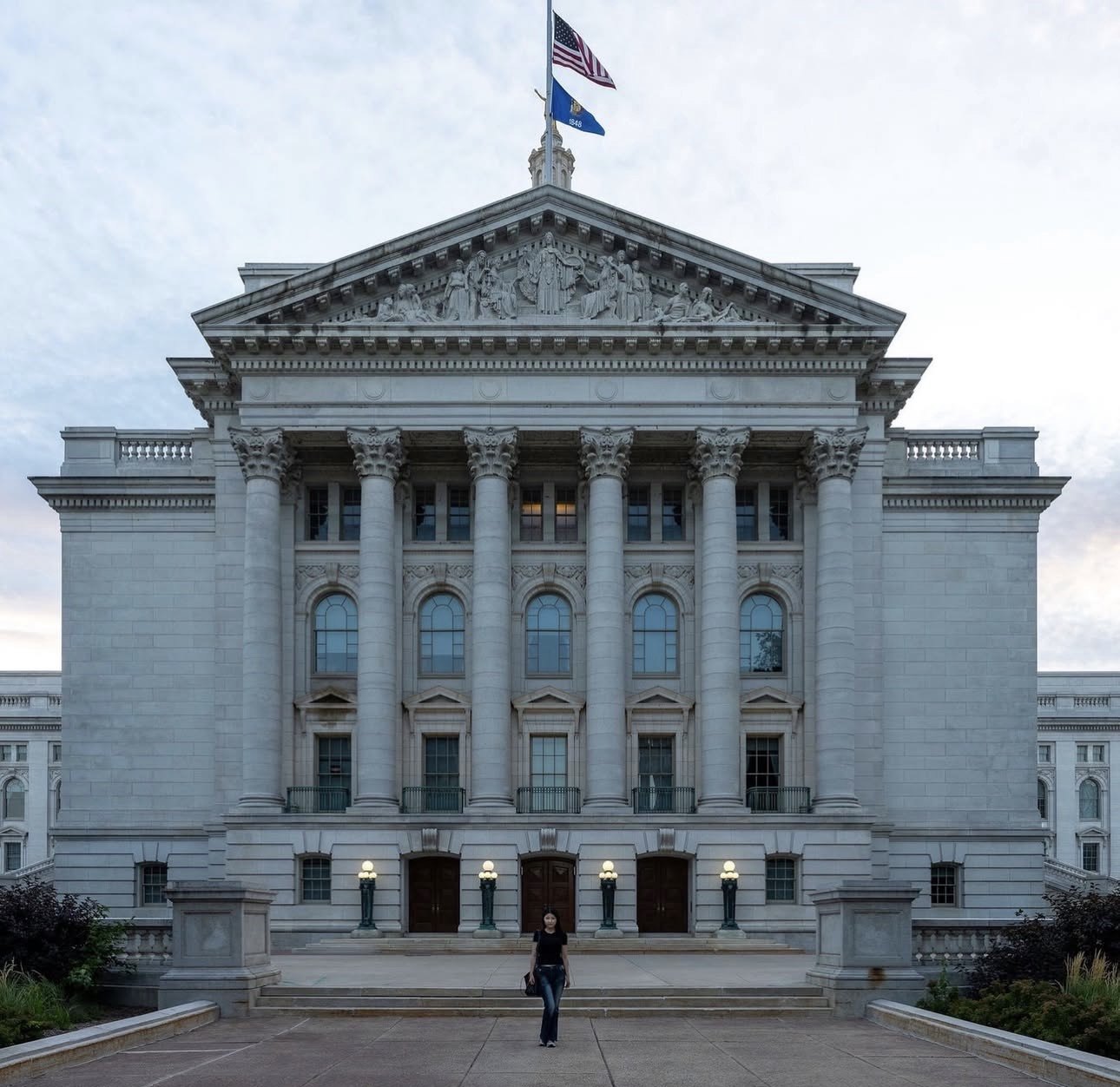
- —One in seven Wisconsin counties is already a maternity care desert (March of Dimes, 2026)
- —A service-line decision moves millions of dollars and shapes a town for a generation — and a year later, nobody can show the community why
- —The record a board should be able to produce: options, trade-offs, thresholds, and the conditions that would reopen the call
Why now. Federal Rural Health Transformation funding is re-pricing service-line decisions across the state, one distribution round at a time.
Recent appearances
Wisconsin Health News — company feature, Top Stories
July 20261 Million Cups Madison — featured presenter (StartingBlock)
September 2026Rotman School of Management, University of Toronto — guest lecturer, MBA and Global Executive Healthcare MBA; teaching case by Prof. Dilip Soman (not publicly distributed — contact me for full-case classroom use)
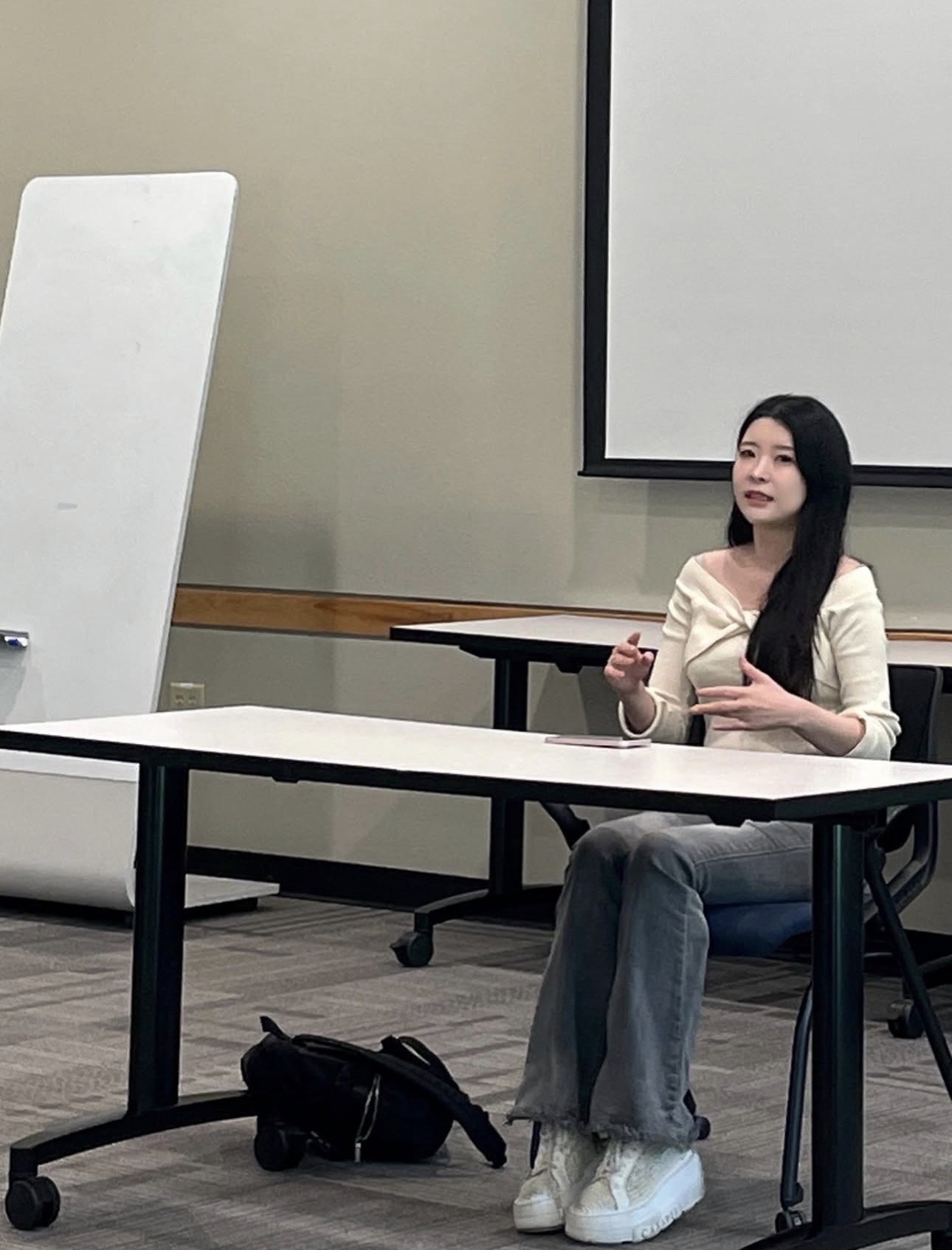
2026The Chinese University of Hong Kong — guest speaker, Co-op Field Trip Program, Seoul
March 2026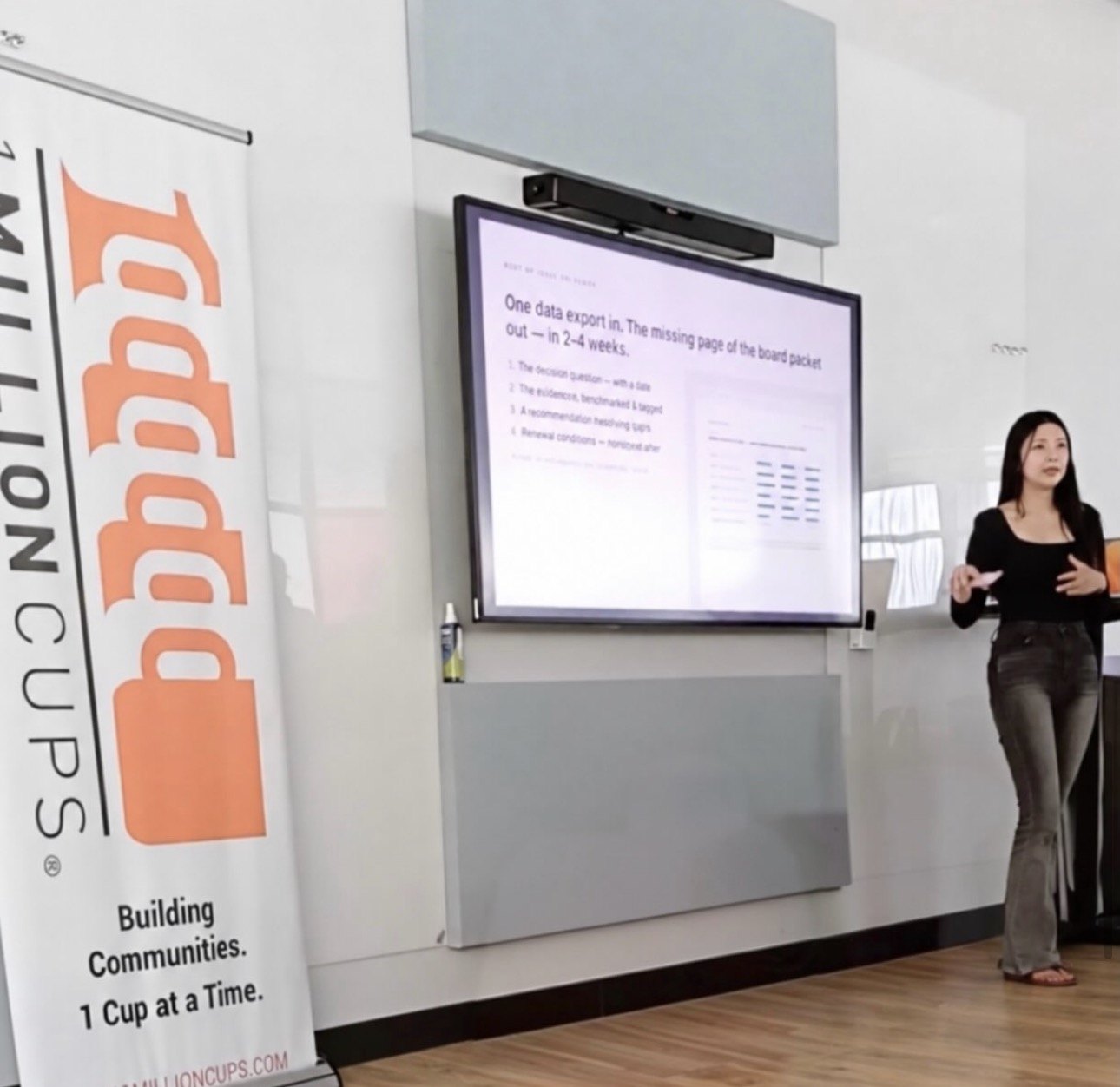
Commentary available on
- —Rural hospital closures and the Rural Health Transformation program
- —AI governance in hospital and health-system decisions
- —Physician–hospital integration and vertical integration
- —Medicare payment policy and site-of-care differentials
- —Hospital closures and their spillovers on neighbouring hospitals
- —Cost-effectiveness analysis in institutional decisions
Each of these maps to published research or current work — see Research.
For hosts & producers
- Name
- Lina Song — LEE-nah SONG
- Introduce as
- Decision scientist; founder of Doogooda. Harvard PhD (Decision Science & Health Policy) · Former tenure-track Assistant Professor, UCL School of Management · Founder, Doogooda
- Based in
- Madison, Wisconsin (Central Time). Eastern mornings available; Asia-Pacific by arrangement.
- Remote setup
- Professional mic (Shure MV7), ring light, neutral background.
- Turnaround
- Same day for media; three to five days for speaking.
- One-sheet
- Speaker one-sheet (PDF) — bio, talk, formats, contact on one page.
Bios
Short (~55 words)
Lina Song is a decision scientist and the founder of Doogooda, which builds decision infrastructure for hospitals. She holds a Harvard PhD in decision science and health policy, was a tenure-track assistant professor at UCL School of Management, and writes about how institutions decide — and how to make those decisions defensible. She lives in Madison, Wisconsin.
Medium (~110 words)
Lina Song is a decision scientist and the founder of Doogooda, which builds decision infrastructure for hospitals and physician groups. She holds a Harvard PhD in decision science and health policy, was a tenure-track assistant professor at UCL School of Management, and writes about how institutions decide — and how to make those decisions defensible. Her research on physician–hospital integration is published in Management Science (2022; POMS Best Paper, first place); models she published have run live inside Moorfields Eye Hospital (NHS). Trained at Caltech, Yale, and Harvard, she moved to Wisconsin in 2026. Doogooda was selected into Creative Destruction Lab–Wisconsin and Harvard Launch Lab X for 2026–27, and a teaching case on the company is taught at Rotman.
Long (~200 words)
Lina Song is a decision scientist and the founder of Doogooda, which builds decision infrastructure for hospitals and physician groups: one data export in, a signed, replayable Decision Record out, with the reversal conditions monitored after delivery. She holds a Harvard PhD in decision science and health policy, where she was principal investigator on an AHRQ R36 award, and trained earlier in mathematics at Caltech and statistics at Yale. She spent four years as a tenure-track assistant professor at UCL School of Management and as a faculty fellow of the Cornell Institute for Healthy Futures. Her research on physician–hospital integration is published in Management Science (2022; POMS College of Healthcare Operations Management Best Paper, first place); models she published have run live inside Moorfields Eye Hospital, an NHS foundation trust in London. Before moving to the United States, she applied the same methods to national health-policy decisions in Korea; that arc — policy decisions, then live hospital operations, then the decisions American hospitals make about their own service lines — is the through-line of her work. She writes about the missing middle between a dashboard and a board vote: the objectives, trade-offs, assumptions, and reversal conditions every consequential decision answers and almost none records. In 2026–27 Doogooda is in Creative Destruction Lab–Wisconsin and Harvard Launch Lab X. She is a visiting researcher at Seoul National University's Cognitive AI Lab and lives in Madison, Wisconsin.
Speaking and media: hello@linasong.com. For urgent requests, put "URGENT" in the subject line.